Keynotes and Trainings
High-impact learning formats across leadership, complexity, and inclusion.
Ideas only matter if they translate into capability.
In fast-moving organizations, leadership, communication, and inclusion are not abstract themes — they shape decisions, culture, and performance in real time. My keynotes and interactive training formats are designed to create intellectual clarity while enabling applied movement.
This is not inspiration for its own sake. It is structured learning that strengthens leadership in practice.
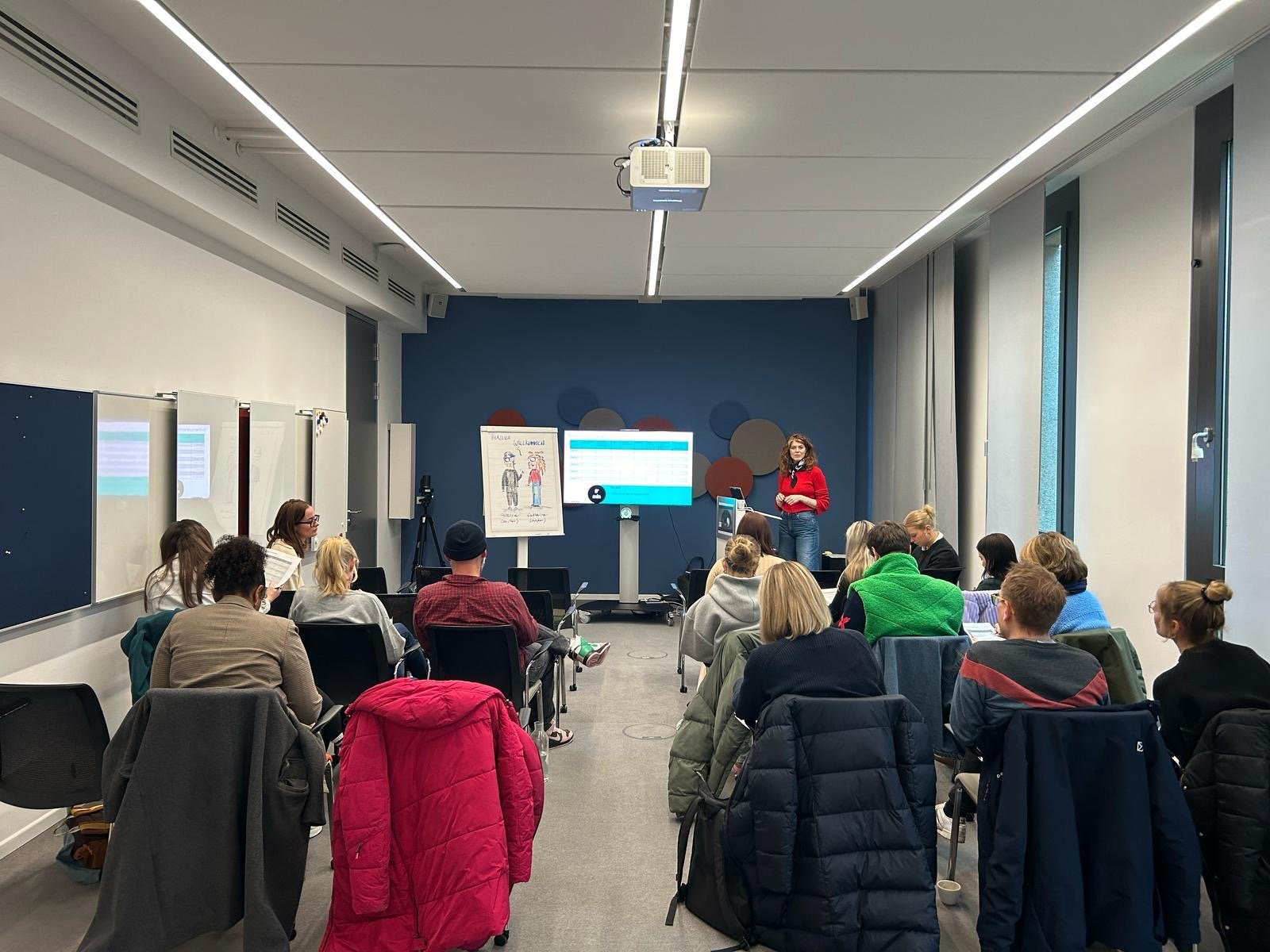
What This Work Enables
Keynotes and trainings are designed to:
Translate strategic clarity into applied leadership capability
Surface bias and blind spots in practical, non-performative ways (DEI)
Strengthen communication under pressure
Navigate complexity without oversimplifying it
Connect identity, authority, and decision-making
These formats combine intellectual depth with structured interaction — ensuring the room is engaged, not passive.
Focus Areas
Common themes include:
Inclusive leadership & bias (DEI)
Leadership in complexity and transition
Organizational communication and clarity
Authority, identity, and power in systems
Decision-making in ambiguous environments
Each engagement is tailored to context rather than delivered as a fixed keynote circuit talk.
Contexts Where This Work Is Often Used
Keynotes and trainings may support:
Leadership development programs
Strategy kick-offs or transformation phases
DEI initiatives requiring depth and nuance
Cross-functional alignment sessions
Conference audiences navigating sector-wide change
Formats range from large-scale conference keynotes to smaller, interactive workshops.
Format
Engagements may include:
Conference keynotes
Interactive leadership trainings
Strategy-aligned workshops
Multi-session learning modules
Available in English, German, or French.
Online or in person.
Preparation is collaborative. Content is shaped to your audience and strategic objectives.
In Practice
“Over the past decade, Catherine has led numerous workshops within our organization. She has an exceptional ability to make complex topics accessible, keep sessions engaging, and create space for honest, productive dialogue. People leave her workshops clearer, more confident, and energized.”
Where to start
We begin with a conversation about your audience, strategic objectives, and the shift you want the room to experience.